
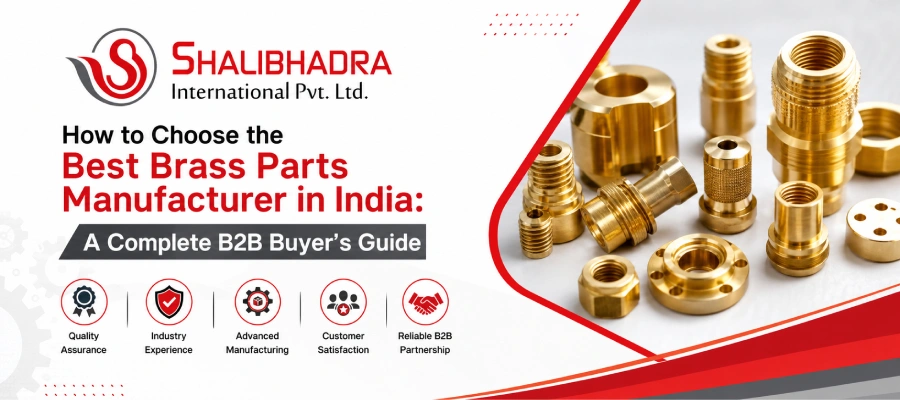
Sourcing brass components sounds simple until the first shipment arrives with dimensions off by half a millimeter and a delivery date that slipped by three weeks. That gap between what a supplier promises on a call and what actually lands on your dock floor is where most procurement budgets get quietly eaten. Finding the right brass parts manufacturer in India means learning to read past the sales pitch and into the operational details that actually predict performance.
This guide walks through the specific factors – machinery, certifications, alloy sourcing, pricing structures, and contract red flags – that separate a manufacturer you can build a five-year relationship with from one that costs you a production line shutdown.
A dependable brass parts manufacturer in India combines in-house CNC and hot-forging capability, ISO 9001 or IATF 16949 certification, transparent alloy traceability (typically CuZn39Pb3 or C36000), and a track record of on-time delivery above 95%. Buyers should verify these through a factory audit or third-party inspection report before placing a first bulk order.
What Makes a Brass Parts Manufacturer in India Reliable
Reliability in this industry comes down to three measurable things: consistent alloy composition, dimensional accuracy across batches, and honest lead-time communication. A manufacturer that hits all three on a sample order will usually hold that standard at scale, because those capabilities are built into their process controls rather than promised on a sales call.
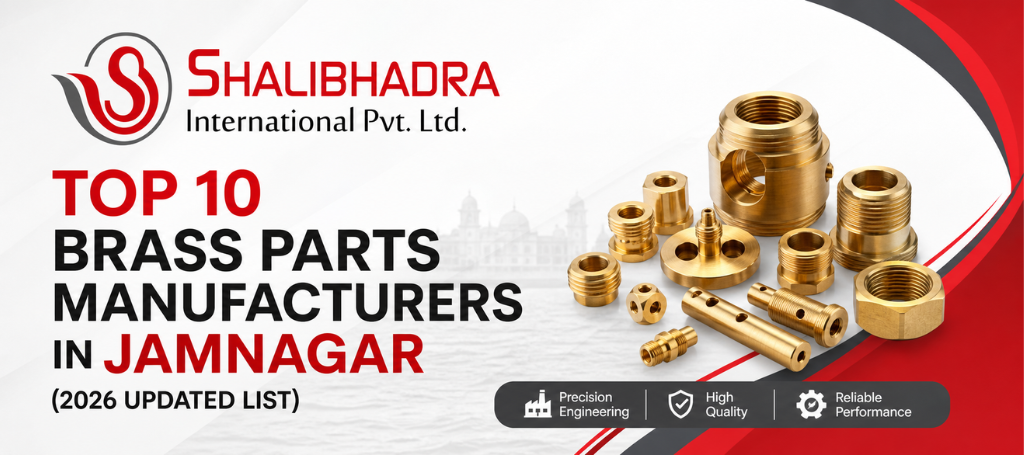
Jamnagar in Gujarat produces roughly 40% of India’s brass parts output, largely due to its cluster of foundries, extrusion units, and machining shops operating within a few kilometres of each other. This density means shorter subcontracting chains and fewer handoffs where quality can slip, which is part of why so many export-focused buyers’ sources from that belt specifically.
A manufacturer’s willingness to share raw material test certificates (MTCs) for each batch is one of the clearest reliabilities signals available. If a supplier hesitates or offers only a generic spec sheet instead of batch-specific data, that hesitation usually reflects inconsistent sourcing rather than a paperwork oversight.
Key Factors to Evaluate Before Signing a Contract
Four categories decide whether a partnership holds up past the first purchase order: material handling, machine capability, compliance documentation, and communication discipline. Each deserves its own line of questioning during supplier evaluation.
Material Quality and Alloy Composition
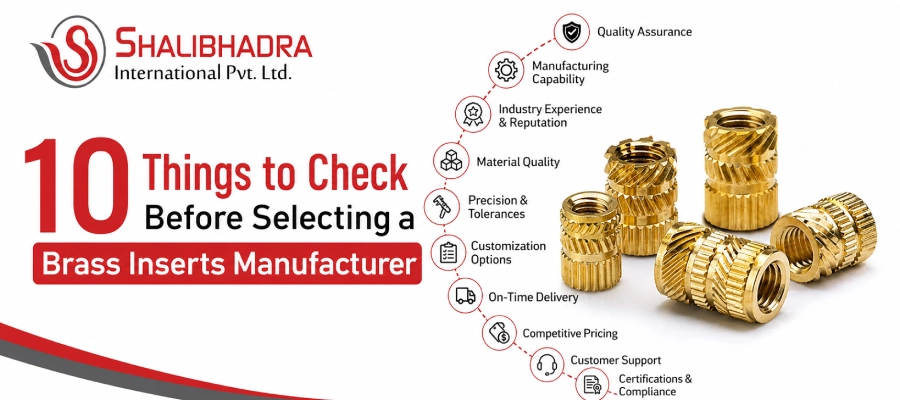
Brass alloy composition directly determines machinability, corrosion resistance, and tensile strength, so the exact grade matters more than the word “brass” on a spec sheet. CuZn39Pb3, often labelled C38500 in the US system, is the most common free-cutting alloy used for fittings and inserts because its lead content improves chip-breaking during high-speed machining.
A brass products manufacturer working with recycled scrap rather than certified virgin or traceable secondary billet often produces parts with inconsistent lead distribution, which shows up as machining defects or inconsistent plating adhesion downstream. Asking for the billet source, not just the alloy grade, catches this early.
Manufacturing Capabilities and Machinery
Multi-spindle CNC lathes, typically running six to eight spindles, allow a manufacturer to hold tolerances of ±0.02mm on high-volume runs, which single-spindle setups struggle to match consistently past a few thousand units. For buyers ordering above 50,000 pieces annually, spindle count and automation level should factor directly into the shortlist.
Cold forging and hot forging capability inside the same facility as machining reduces the number of external vendors a part passes through before reaching finishing. Fewer handoffs mean fewer opportunities for dimensional drift, which is a common source of batch-to-batch variation buyers notice only after parts fail assembly.
Certifications and Compliance
ISO 9001 certification covers general quality management, but buyers in automotive or plumbing supply chains should specifically ask for IATF 16949 or WRAS approval depending on end use. A manufacturer supplying both domestic and export markets typically holds RoHS and REACH compliance documentation as standard, since EU and US buyers require it contractually.
How Does Order Volume Affect Pricing and Lead Times?
Order volume changes brass part pricing in two distinct ways: raw material cost amortization and tooling investment payback. Below roughly 10,000 units, tooling and setup costs get spread across a smaller batch, which pushes per-piece pricing up by 15-30% compared to volumes above 50,000 units.
Lead times generally run four to six weeks for repeat orders on existing tooling, but first-time orders requiring new dies or fixtures typically add two to three weeks for tool fabrication and sign-off. A brass inserts manufacturer quoting a two-week lead time on a brand-new part with no existing tooling is a claim worth questioning directly rather than accepting at face value.
Buyers placing recurring orders often negotiate better terms by locking in a 6 or 12-month volume commitment, which lets the manufacturer plan raw material purchasing around known demand rather than reactive spot buying. This single change frequently brings per-unit costs down more than aggressive price negotiation on a one-off order does.
Comparing Manufacturer and Supplier Sourcing Models
The terms “manufacturer” and “supplier” get used interchangeably in outreach emails, but they describe different operational setups with real consequences for quality control and pricing transparency.
| Factor | Brass Products Manufacturer | Brass Products Supplier / Trader |
|---|---|---|
| Production Control | Owns machining, forging, and finishing in-house. | Subcontracts to third-party units. |
| Price Transparency | Cost breakdown traceable to raw material. | Margin layered over subcontractor price. |
| Quality Accountability | Direct responsibility for defects. | Passes claims back to subcontractor. |
| Customization | Can adjust tooling/process on request. | Limited to what subcontractor offers. |
| Typical MOQ | Often lower due to owned capacity. | Frequently higher to justify markup. |
A trader can still be a valid choice for smaller or irregular orders since they often carry finished stock and reduce lead time for standard parts. The distinction matters most for buyers negotiating custom tooling or needing traceability documentation for regulated industries.
Red Flags to Watch for When Selecting a Brass Inserts Manufacturer
Vague answers about factory location are one of the earliest warning signs worth taking seriously. A legitimate manufacturer will readily share their GST registration, factory address, and typically welcome a video walkthrough or third-party audit request without pushback.
Unusually low pricing quoted before any drawing or specification review often signals corner-cutting on alloy grade or wall thickness that only becomes visible after parts fail in the field. Reputable manufacturers price after reviewing technical drawings, not before.
Payment terms demanding full advance payment with no milestone structure, especially for a first order, shift all the risk onto the buyer. Established manufacturers with export experience commonly work with 30% advance and balance against a pre-shipment inspection report or bill of lading copy.
FAQs
MOQs vary widely, but most manufacturers with in-house tooling accept orders starting around 2,000 to 5,000 pieces for standard components. Custom parts requiring new dies often carry a higher MOQ, sometimes 10,000 units, to offset tooling investment.
Sample turnaround typically runs 7 to 15 days for parts using existing tooling and machining setups. New designs requiring fixture fabrication can take three to four weeks before the first sample is ready for approval.
Jamnagar hosts the country’s largest concentration of brass manufacturing units and offers strong subcontracting infrastructure for finishing and plating. It isn’t the only viable hub, but its scale gives buyers more options for comparing quotes within a single supply cluster.
Export-focused suppliers should hold ISO 9001 at minimum, with RoHS and REACH compliance if shipping to the EU. Buyers in automotive or drinking water applications should additionally confirm IATF 16949 or WRAS approval depending on the application.
Request raw material test certificates, a factory audit report or video walkthrough, and references from at least two existing export clients. A small trial order before committing to full volume remains the most reliable verification step regardless of paperwork provided.