
Brass hex insert may seem dull, but they hold screws firmly in everything from gadgets to big machinery. If you’re tinkering around the house or putting together gear at a factory, getting familiar with these tiny bits makes life easier. Here’s the lowdown on their job, how they’re built, where they shine, along with tips so you don’t mess up using them. Stick around – this info blends practical smarts with straight talk.
Defining Brass Hex Inserts: The Fundamentals
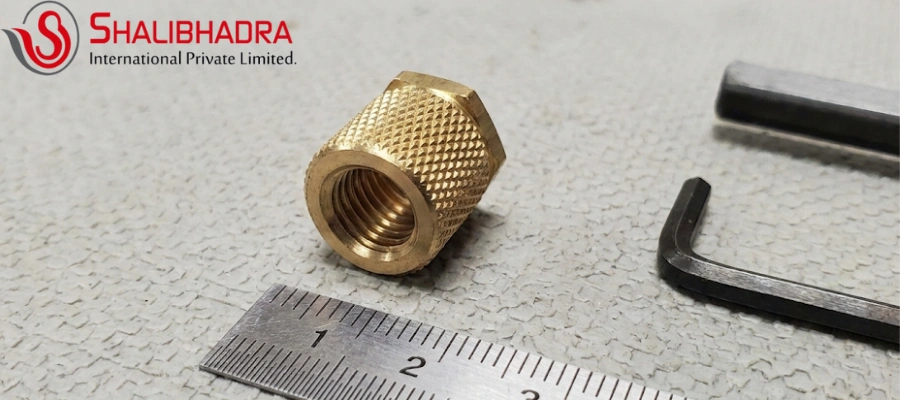
A brass hex insert acts like a reusable anchor tucked into materials for a reliable grip. With six flat sides outside, it pairs easily with tools – say, an Allen key – to twist smoothly. Threads inside match standard screws, such as M6 or 8-32 types. Those angled corners? They keep the driver locked in place instead of sliding off.
Fewer problems happen with hex inserts because they fit snug into a hole – no shifting or getting lost. They lock in place within the material, acting like part of it from the start. This gives a clean finish, often tucked under the surface, perfect when looks count. Picture them as an anchor for bolts if you’re new – a strong helper that doesn’t tear up weak materials like particle board or plastic shapes.
Folks building this kind of gear know their way around precision – it lets you churn out heaps without cutting corners. No glitches in production, no matter how hard it runs.
The Allure of Brass: Why This Material Reigns Supreme
Brass – copper mixed with zinc – fits perfectly for hex inserts, honestly. Look here: it stays strong but isn’t overly rigid.
Brass resists rust pretty well – ideal for damp areas or spots soaked in tough chemicals. Yet it keeps strong, no matter how much spray or salt’s in the air. Unlike normal metals, humidity won’t break it down quickly. So whenever decay trashes other stuff, brass still holds up.
It’s super soft, so blades slice right through – work gets done quicker while tools stay sharper longer. It handles electricity and heat pretty well – moves current smoothly, which helps devices run without overheating. Because it transfers energy fast, the gear stays cool even under heavy use. Smooth, shiny – feels good in your hand, especially if crafted well. The malleable metal takes on fine details without losing that clean look.
Flexible yet tough – it stretches without getting heavier, holds up fine when shaken, unlike rigid competitors. C360 brass suits regular tasks – C260 fights corrosion more effectively. Unlike steel or aluminium, it costs less but performs fine where magnets come into play.
Crafting Brass Hex Inserts: A Behind-the-Scenes Look
The journey from raw brass to a finished hex insert combines skilled work with clever tech. Companies follow these steps because they want consistent results – using precision tools while relying on experience, making sure each piece meets standards without cutting corners.
1. Raw materials arrive as brass chunks – these are melted, then cut into circles. Shaping follows right after; recycled metal is used when it can be found around. Old parts feed the process instead of trashed scraps piling up elsewhere.
2. Pressing or carving forms the hexagon, then boring makes the middle hole.
3. Threads take shape through clever rolling or cutting – after that, they’re inspected closely to make sure everything fits just right.
4. Heating the metal reduces brittleness – then, a layer such as zinc or nickel is applied for protection.
5. Inspections occur throughout each phase to spot issues – automated systems run checks ensuring compliance with standards like ASTM or DIN.
In high-end shops, computers run lathes that team up with robotic arms to crank out pieces super precisely. Thanks to fast production and close specs, costs stay down while quality holds steady – which keeps brass hex nuts common in global shipping systems.
Versatile Applications Across Industries
Brass hex inserts show up everywhere – way beyond a single job. Take a look at spots where they really do the trick: instead of hanging around unused, these bits fit into gear that runs daily; whether it’s gadgets humming on desks or tools sweating through shifts.
Wobble-free drawers start with the right fix – nails crack chipboard, making stuff shaky. Try something stronger that grips without splitting. Loose table legs? Swap flimsy bits for sturdier solutions. When cabinets sag, pick fasteners built for fibreboard’s weak spots. Hold things firm by avoiding shortcuts.
Electronics & gadgets: Keep components fixed within plastic cases – say, in smartphones, laptops, or routers – to maintain stable connections using snug fits instead of loose setups.
Auto sector: Keep parts like sensors or brackets secure inside vehicles, since rough streets can jiggle things free.
Plumbing parts: Toughen pipes, valves, hinges using copper-like metal or synthetic materials – designed to resist dampness without breaking down. Industrial gears show up in stuff like conveyor belts or robotic arms, using strong bolt setups that handle rough workloads – made to survive hard jobs. Tough threads mean less downtime since they don’t need frequent fixes.
Hobbyist Projects: Good for making models – besides handling 3D-printed bits just fine – maybe even shaping a bike frame yourself. Producers notice hex inserts make putting things together quicker – fewer errors pop up later because builds go smoother. Instead of struggling with weak setups, teams save time when using these parts.
Key Advantages: Why Brass Hex Inserts Are a Game-Changer. The good things about brass hex inserts aren’t only basic use, Heavy loads? No problem – it balances force across the surface, which means the gear lasts longer even under stress. Quick to set up: an intuitive design lets you get going without hassle – regardless of experience – using nothing but a standard drill.
Plays nicely with plastic, also handles metal or composites – brings extra options for shaping ideas. Keep cash long-term – made strong with barely any maintenance, which means fewer replacements down the road. Available in various sizes, while offering several finish types – starting from simple versions up to self-locking variants.
Shock Absorbing: Brass gives a bit when struck, which helps it keep up in quick situations – meaning durability counts when action gets unpredictable or intense. These benefits make them a must-have – whether you’re handling small home tasks or large-scale manufacturing jobs.
Step-by-Step Installation for Beginners and Pros
Slide in a brass hex bit without hassle once you get the trick. Try this way instead:
1. Pick a good spot: try a tiny hole, slightly smaller than the sleeve, for a snug fit. Drill down about as far as the part goes – just a tad deeper to lock it in. Instead of rushing, take your time to align it right. Use steady pressure without forcing it through.
2. Push the part in – tuck it tight into the slot, then grip it firm using a clamp-like device.
3. Shove it firmly with a wrench or driver till it sits flush. For tight fits, tap gently with a mallet – or even smoother, squeeze into position using an arbour press.
4. Try it out: drop in a screw, then twist – it should turn smoothly, without shaking.
Start small when you’re new – it builds confidence. Firms skip the hassle by relying on automatic setups these days. Potential Drawbacks and How to Navigate Them. No piece functions flawlessly – brass hex inserts bring compromises. Pricier than normal nuts – but you end up saving since they stick around way longer. Incorrect dimensions can cause issues – check everything first before going ahead. Heat weakens brass, but certain metals resist high temperatures more effectively. Tools break down quickly if you use them nonstop – so look at them once in a while. Checking now and then helps catch issues before they get worse.
Face these problems – choose reliable tools, try out first versions. Otherwise, share tips in web forums to find solutions that work.
Innovations and the Road Ahead
The brass hex insert scene shifts quickly thanks to fresh tech tricks. Not relying on old-school ways anymore, greener brass sourced from well-managed mines pops up more regularly. Certain models pack tiny RFID tags – these logs where they’ve been or how they’re used. Besides that, blends using different materials are catching on since they last longer. Funny-shaped stuff? No problem – 3D printing handles it free of charge. Meanwhile, hooking these up to online gadgets lets you peek at their status instantly.
Just beginning? Check online tips or chat boards – they often bring cool thoughts. Some companies use digital versions to try stuff out, maybe getting tasks done faster.
A brass hex insert holds up well as a reliable piece you can apply in various situations while assembling stuff. Tough but easy to work with, it slides right into plenty of projects – ideal for DIYers or people tinkering around the workshop. Feeling like giving them a shot? Reach out to suppliers, pick up sample bits, then dive directly into your next project without hesitation.