
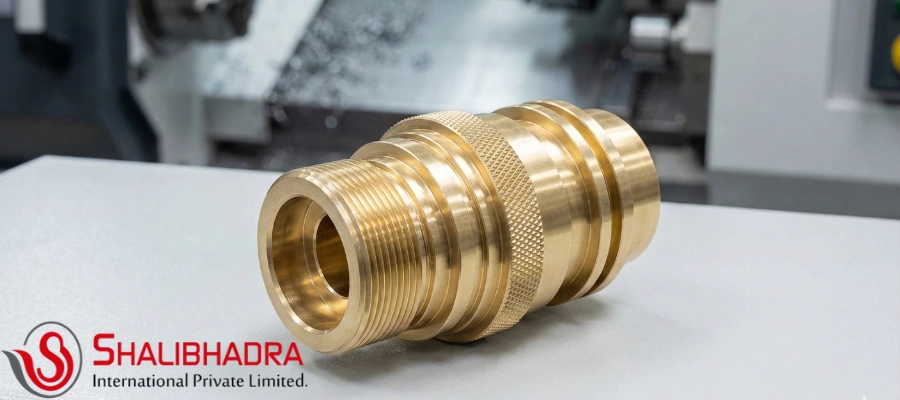
In today’s precise production scene, brass parts shaped by CNC machines show up everywhere -think gadgets or water systems. When diving into this subject fresh, you may ask yourself: what even is a brass part made on a CNC lathe -and why does it matter? This is exactly the kind of piece people refer to as a Brass CNC Turned Component. Let’s walk through each piece slowly, starting from how turning works all the way to brass traits that make it special. We’ll look at where these bits get used and what advantages they bring along. Once we’re done, you’ll clearly see how such pieces come together and grasp why pros keep picking them for real-world builds.
Understanding CNC Turning: The Basics
First off, what even is CNC turning? Well, think of computers taking charge of machines – automating them so they run on their own. That’s basically what “Computer Numerical Control” means. Now, when we talk about turning, imagine spinning a piece of metal like a top. While it spins, a sharp tool chips away bits to mould it how you want. Brass comes into play later – we’re just setting things up here.
In CNC turning, accuracy stays consistent every time. Instead of depending on people like regular methods do, these machines stick to digital commands for perfect sizing. Because it runs automatically, mistakes drop sharply while tricky shapes become way easier to make than doing them manually.
CNC turning works well for round pieces – think rods, dowels, or sleeves. A lathe usually handles this job by rotating the stock fast while fixed cutters shave off bits here and there. Since it quickly makes copies that match exactly, factories use it when they need lots of the same part.
Why brass? It’s what people pick most. Not by chance – there’s a reason behind it.
Since we’ve covered CNC turning, it’s time to look at brass. This material mixes mostly copper with zinc, plus tiny bits of things like lead or tin to tweak how it behaves. You can spot it by its shiny yellow tint. It bends easily without breaking. Plus, it holds up well against rust.
Brass is favoured in CNC turning for several reasons:
Machinability: Brass handles well on machines. It slices smoothly while creating little heat, so tools last longer yet work faster.
Durability: Even though it’s kind of soft, brass holds up well – handles rough use, works fine in different conditions.
Brass moves heat well, so it works in parts, handling warmth. Its ability to carry electric current means it fits jobs needing power flow. Because it transfers both energy types efficiently, builders often pick it for technical bits.
Aesthetics: It looks good on display areas – also works well when buffed to a glossy finish.
Unlike steel or aluminium, brass doesn’t spark as easily – so it’s a better pick where safety matters. On top of that, you can recycle it, which fits well with eco-friendly production.
The Manufacturing Process of Brass CNC Turned Components
Making a brass part with CNC turning takes multiple stages – starting from picking the metal to the last touch-up. Check out this clear breakdown:
1. Material choice starts with picking good brass rods or bars, depending on what part’s needed. Then they’re sliced to fit before going into the machine, using a CNC lathe for shaping up next.
2. Designers make 3D shapes using computer tools. After that, those shapes turn into special commands for machines to follow.
3. Machining: The brass piece gets clamped into the lathe chuck, then spun fast. Instead of just adding tools, drills, or mills, shave off thin layers. Facing comes first, followed by hole-making through drilling. Threading shapes screw patterns, while grooving cuts narrow channels.
4. During production, workers check dimensions now and then to stay accurate. Some high-tech CNC tools come with built-in sensors that track performance while running.
5. Once cut, parts might get smoothed, buffed, or covered to look better and work smoothly. Heating them or adding a surface layer boosts traits such as strength or rust protection.
The whole thing runs on its own, cutting down mistakes and keeping things going nonstop at certain spots – so no need to stop overnight. Today’s CNC lathes hit precision levels within 0.001 inch, which means parts come out super consistent.
Applications of Brass CNC Turned Components
Brass CNC parts work well in many fields. For instance, they’re often seen in plumbing fixtures. Also, these pieces show up in electrical connectors. On top of that, car makers use them too. Meanwhile, HVAC systems rely on their precision. Plus, instrument builders choose brass for reliability. Another place you’ll spot them is in valves and fittings.
Electronics use brass parts because they carry current well while resisting rust – connectors work this way reliably. Terminals last longer since the metal handles wear without failing. Switches perform smoothly thanks to consistent contact and durability from brass.
Plumbing plus hardware? Think faucets, valves – brass shows up because it lasts long, won’t rot in water. Sometimes copper alloys slip in where leaks can’t. Metal choice here isn’t fancy – it just works, even when wet for years. No flimsy stuff; this gear stays tight under pressure. Old-school reliable, honestly.
Car parts – say, bushings or gears or even sensors – get shaped from brass since it’s tough yet slippery enough to slide easily. Aero ship systems or defence tools use brass parts because they work well in tough situations. Musical Instruments: Trumpets or similar metal horns are usually made with CNC machining because it helps the sound quality. Jewellery, knobs – also sculptures – use brass because it looks good.
In every situation, CNC turning’s accuracy means pieces match up just right while working without fail, so things run smoothly instead of messily.
Benefits of Using Brass CNC Turned Components
What makes brass CNC parts stand out from other options? Check out these benefits:
Accuracy plus reliability: CNC systems deliver steady results every time – key for smooth production runs. Even though getting started isn’t cheap, running lots of parts this way saves money each piece – so it pays off over time because machines work fast without extra help. Brass handles detailed designs well – keeps its strength even when shaped tightly.
Brass can be reused again and again, while CNC cutting leaves behind far less junk compared to old-school techniques. Runs strong where wear is heavy, resists rust while handling tough chemical exposure. Customisation: Simple to adjust based on what you need – whether it’s size or how it looks. These perks turn brass CNC parts into a solid pick for makers focused on top results without slowing down – while keeping things running smoothly. Though small, they pack reliability that fits tight production goals instead of wasting time or cash.
Challenges and Considerations
Though brass parts made by CNC have clear benefits, they come with some issues. Cost-wise, brass often runs higher compared to plastic or certain metals – so budget matters. Getting the best output means you need experienced coding behind the machine work. Tools do degrade over time, but not nearly as fast when cutting tougher stuff. Keeping things tidy and well-oiled helps avoid gunk messing up the process.
To tackle these issues, teaming up with seasoned makers makes a big difference. Because they know their stuff when it comes to materials like C360 or C260 – each has different levels of zinc and unique traits.
The Future of Brass CNC Turning
Technology moves forward, so CNC machining changes too. Multi-axis lathes make trickier shapes possible – meanwhile, AI speeds up coding tasks. Recycling materials like brass is becoming more common, thanks to greener habits taking hold.
In short, a brass CNC-turned piece is crafted precisely from brass by automatic lathes. Thanks to its ease of shaping, strength, and wide use, it plays a key role in today’s factory work. If you’re into engineering, running a company, or just interested, getting how these parts work helps see the clever details behind making things in industry.
If you want to find out about brass CNC parts, talk to trusted sellers focused on solid work and fresh ideas – because knowing what’s involved helps you use the tech well in your builds.