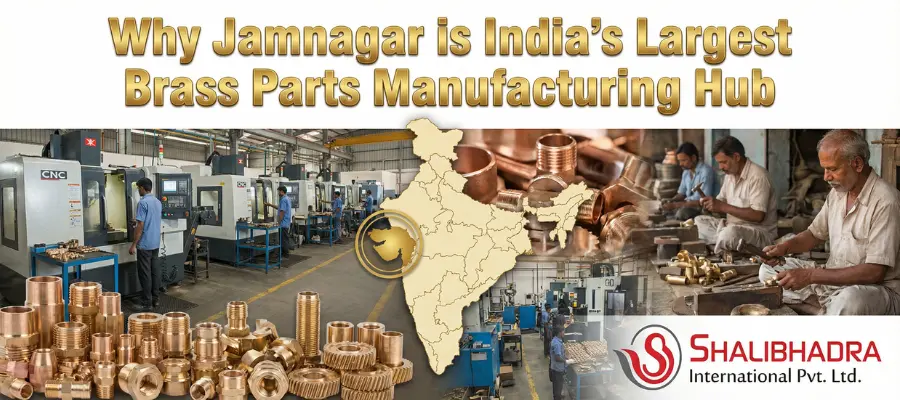

Not many places match Jamnagar when it comes to exporting brass pieces across India. Eighty per cent of the country’s brass goods flow from here, meeting steady demand abroad for exactness and durability. Machines hum daylong, shaping tiny metal bits used everywhere – car systems, wiring setups, you name it. Behind its top spot lies a mix of old roots, sharp numbers, and smart moves that keep foreign clients coming back. What stands out is how tradition quietly fuels modern trade wins.
Jamnagar’s Brass Tradition Fuels International Commerce
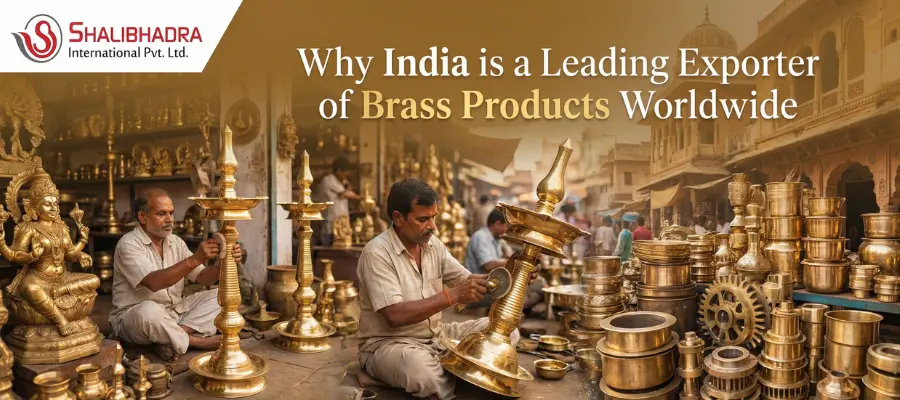
Generations back, skilled workers in Jamnagar began shaping brass with unmatched care. Today, that legacy powers thousands of workshops across the coastal city. More than five thousand factories run each day, mixing handcrafted methods with modern machinery. Shipments head overseas constantly – seventy-four thousand two hundred twenty-six last year. Just in February 2024, fifty-six hundred fifty left the docks – an eleven per cent jump from before. Between April and July 2024, exports hit one billion one hundred twenty-two million five hundred thirty thousand dollars. Growth stood at nearly thirty-one per cent compared to earlier stretches. Metal components made from brass drove most of these numbers.
Shipping slows everywhere else, yet here it moves fast because Mundra port sits close. Raw copper plus zinc arrive constantly from African mines, keeping factories running without pause. Eighty per cent of India’s brass exports go through this city, reaching more than a hundred nations. Unlike places such as Moradabad, which stick to decorative items, Jamnagar builds what the industry needs. Growth in global brass appetite hits 10.22% yearly until 2030, with no slowing down. Custom components for electric vehicles, water systems, and heavy tools come from these workshops. Firms across continents return, counting on a steady flow and precision that others can’t match.
Industrial Strength Behind Brass Success
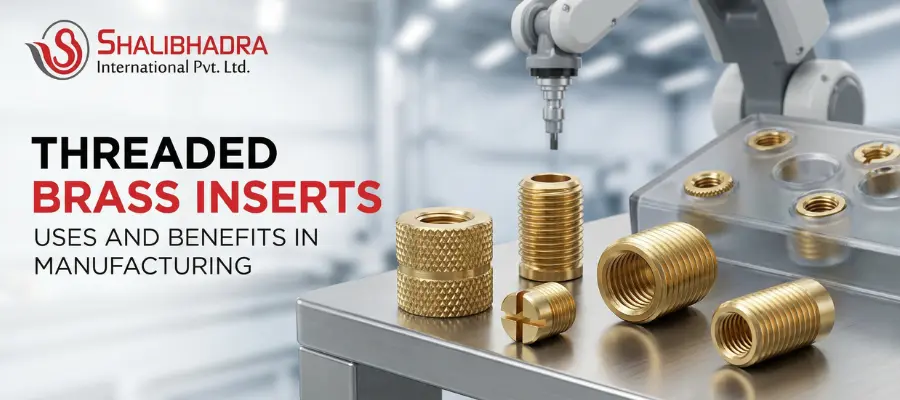
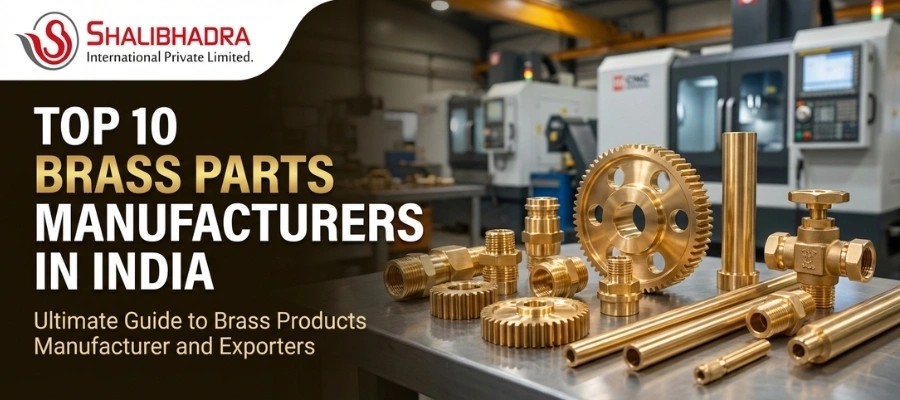
Factories in Jamnagar specialize in making brass components such as rods, Brass Hex Insert, brass inserts, fittings, and extruded shapes, classified under HS codes 7418 and 7412, consistently aligning with DIN, ASTM, and RoHS norms. Hindustan Brass Industries stands out here, shipping large batches globally from its GIDC Phase-II site. Across thousands of facilities, processes like melting metal, precision cutting, and surface finishing occur together on single sites, trimming expenses so they sit nearly a quarter beneath rival pricing.
Jamnagar’s reputation as the core of the brass parts exporters in India’s network is built on this deep manufacturing strength, allowing overseas buyers to source high-volume and precision components from one location. Month after month, machines hum beside people who learned their craft from parents, crafting pieces that won’t rust even underwater or inside roaring car motors. Output hits perfection more often than not, thanks to tight teamwork between human hands and automated systems.
For global buyers, working with a trusted brass parts Supplier in India based in Jamnagar ensures stable quality, faster production cycles, and consistent compliance with international standards. From a single city – Jamnagar – comes most of it: four out of every five items shipped abroad start there. In just February, exports hit 5,531, rising slightly compared to prior months. Records show nearly sixty-six thousand total UK deliveries since March last year. Buyers in Germany, the US, and the Emirates keep ordering, drawn by steady quality while global networks shift paths. Factories huddle close together here, sparking quicker fixes and bolder ideas; new metal blends take shape within days, tested on site without delay.
Export Growth Driven by Strategic Location
On Gujarat soil, you find Jamnagar just a short stretch from Mundra, a key harbour moving vast loads yearly. Overnight, rigs roll out crafted components while skipping snags common at deeper land points. Much of the motion clusters in government-backed pockets such as GIDC Dared – where perks stack: steady juice supply, disposal networks, lighter tax loads. Deals struck with nations like the UAE and Australia wipe import fees clean, pushing movement faster.
Ships bring in raw stuff at low cost by water. Finished products leave fast, reaching the US West Coast within twenty-five days. That network holds together 2,468 sellers and 7,010 customers, with customer numbers growing one-quarter each year. What makes Jamnagar stand out? Customs move smoothly here; everything is tracked online – buyers mention how reliable it feels. Think about what that cuts from expenses. Sending a 20-foot box from Jamnagar to America runs $1,800, compared to $2,500 from China, along with quicker processing.
Cost Crunching That Wins Deals
One reason costs fall so fast? Jamnagar makes brass pieces for just $1.50 each, while others charge $2.20. Factories there run tight, workers earn less, and everything stays close. Shipping 10,000 car inserts to Los Angeles costs $15,000 from India; others hit $22,000. Materials last longer, too, thanks to better metal mixes. Parts survive 20 per cent more time, cutting yearly swaps. Fewer changes mean $14,000 saved every year on one job alone. Run that math across twelve months, split into seasons – it stacks $84,000 back per buyer.
Starting small means starting smart – trial batches of five hundred help new brands test markets. When volumes grow, pricing stays fixed, shielding buyers from wild swings in material costs. Copper price jumps? Not a concern here. Steady profits add up, making reorders feel natural. Other sources might promise more, yet few match what comes out of Jamnagar.
Workforce Wizardry and Innovation Surge
Fifty thousand craftspeople learn their trade each year in Jamnagar through training schools and kinship groups, building expertise for fine metalwork. Machines come to life when young workers load digital plans into lasers that carve exact shapes needed for electric vehicles with strong power flow. Metal mixtures get tested in hidden rooms where scientists check how long they resist decay. Firms overseas hand out clean energy deals because of these tough new blends.
Finding flaws before they matter – that’s what machines help Ishita Brass do. Nearly perfect every time, thanks to smart scans catching tiny errors. While Chinese supplies pile up elsewhere, Jamnagar shifts gears quietly. Orders arrive with odd requests, strange shapes, and tight turns. Workshops there adapt fast, shaping test pieces by morning light. Custom beats copycat now, without loud claims. For those who buy abroad: Will the next batch still feel one-size-fits-all?
Government Support and International Demand
Fuelled by perks like cash support and trade financing, Jamnagar hums under the push of Make in India. Factories spread wider as GIDC grabs a thousand new acres for industry. High-end components earn payouts through PLI rules reshaping production goals. Alongside oil, brass now leads what the region sends abroad – proof of shifting strengths.
Building work across America races ahead, hungry for connectors. German car factories pivot toward new parts – a gap Jamnagar steps into when trade rules tighten. Pipes and valves made of brass flow steadily into Gulf projects. When shipping stumbles near Yemen, steady pathways gain worth. Numbers stretch high: twice today’s exports expected within six years, lifted by electric transport and clean power growth.
Challenges Met Head-On
Factories keep buying metal fast even when prices jump around. Instead of waiting, they lock in future costs through trades. When workers move away, schools push out new ones ready to step in. Cleaner air rules come down hard, so treatment centres upgrade without slowing output. Orders now flow through digital systems that map every shipment across borders, cutting wait times before they start.
Flickers ahead: Machines hum in self-thinking plants. Old metal climbs – brass reuse jumps four-tenths. Firms secure ties early.
Working with Jamnagar Exporters
Start by checking out Hindustan Brass on IndiaMart – ask for samples, expect to pay $100 and wait seven days. A video walkthrough of the GIDC factories comes next, then a talk through the letter of credit conditions. Shipments under HS code 7418? Follow them closely using Seair’s data. Meeting buyers at Brass World Expo could be key – closing agreements in person often works best.
Out there, Jamnagar’s exporters are reshaping how goods move worldwide. Firms that moved their sourcing here saw profits climb by two-fifths. Stuck in old routines? Change sparks where copper meets coastline – Gujarat holds the key. The shift begins quietly, then catches fire.