
Have you ever wondered how manufacturers create strong, reliable connections in everything from electronics to automotive parts? If you’re in the world of engineering or production, you’re likely familiar with the unsung heroes that make assembly seamless. Today, we’re talking about threaded brass inserts-a simple yet powerful component that can transform your projects. As a trusted brass inserts manufacturer, we’re here to guide you through their uses and benefits with warmth and expertise. Think of this as a friendly chat where we break down the details, so you feel informed and ready to make confident decisions. Let’s explore how these inserts can support your manufacturing needs, step by step.
What Are Threaded Brass Inserts?
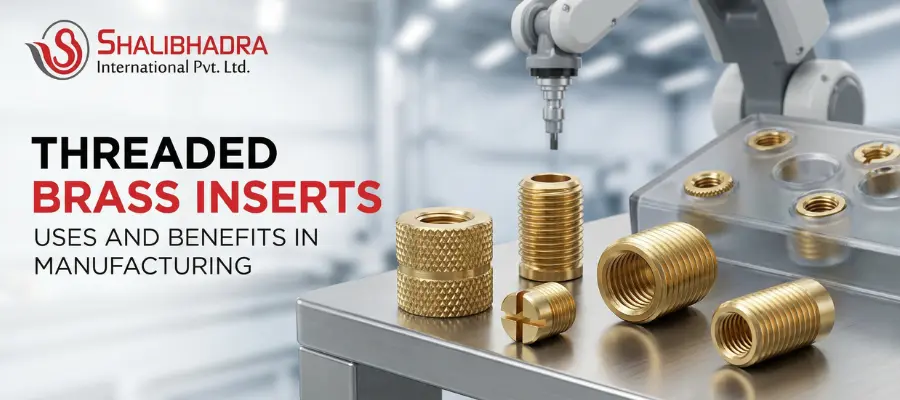
Before we dive into the why and how, let’s clarify what threaded brass inserts are. Simply put, they’re small, cylindrical pieces made from brass (an alloy of copper and zinc) with internal threads. They’re designed to be inserted into softer materials like plastic, wood, or even metal, providing a durable threaded hole for screws or bolts. Unlike tapping directly into these materials-which can lead to stripping or weakness-inserts offer a reinforced solution.
As an expert in the field, I can assure you that brass is ideal for this because of its corrosion resistance, conductivity, and malleability. If you’re new to this, imagine them as tiny anchors that hold your assemblies together securely. It’s reassuring to know that with the right brass inserts manufacturer, you get components that are built to last, giving you peace of mind in your designs.
Key Uses in Manufacturing
Threaded brass inserts are versatile and find applications across various industries. Let’s explore their common uses educationally, so you can see how they might fit into your projects.
In Electronics and Appliances
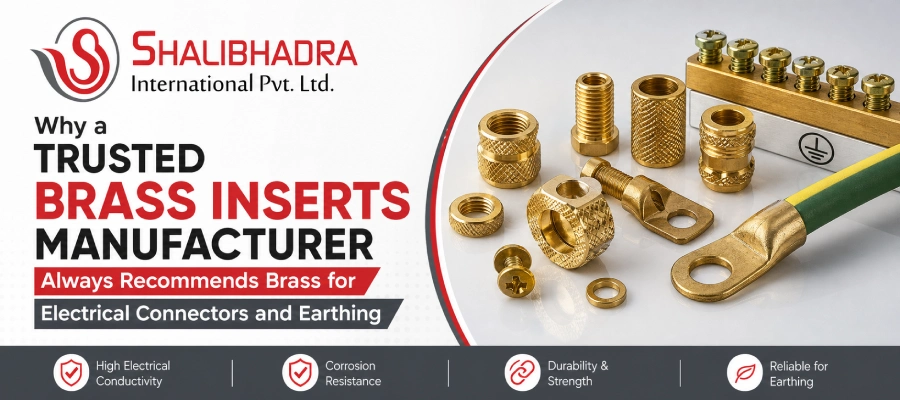
In electronics, where precision is key, threaded brass inserts are used in circuit boards and housings. They allow for secure fastening of components without damaging delicate plastics. For instance, in appliances like washing machines or TVs, inserts ensure that panels and internal parts stay firmly attached, even under vibration. As a supportive manufacturer, we often see how these inserts prevent costly failures, making them a go-to for reliable electronics assembly.
Automotive and Aerospace Applications
The automotive sector relies on threaded brass inserts for engine components, dashboards, and body panels. They provide strong threads in lightweight materials, enhancing safety and durability. In aerospace, where weight and strength are critical, inserts are used in aircraft interiors and equipment. If you’re designing vehicles or planes, these inserts offer a lightweight yet robust option, reassuring you that your builds can withstand real-world stresses.
Furniture and Consumer Goods
From office chairs to outdoor furniture, threaded brass inserts reinforce joints in wood and plastic. They’re also common in consumer goods like toys or sporting equipment, where repeated use demands resilience. As an authoritative source, I recommend them for any product needing frequent assembly or disassembly-think of them as the dependable glue that keeps things together.
Industrial and Custom Manufacturing
In broader manufacturing, inserts are used in machinery, tools, and custom parts. They enable easy repairs and upgrades, which is a big plus for maintenance-heavy operations. Whether it’s robotics or medical devices, threaded brass inserts adapt to diverse needs, providing a flexible solution for engineers.
Benefits of Using Threaded Brass Inserts
Why choose threaded brass inserts over alternatives? Their benefits are compelling, and as an insightful guide, I’ll outline them clearly to help you decide.
Enhanced Strength and Durability
One of the standout advantages is the added strength they provide. By inserting a threaded metal piece into softer materials, you create a reinforced connection that resists wear. Brass’s natural properties make it corrosion-resistant, ensuring longevity even in harsh environments. If reliability is your top priority, these inserts are a reassuring choice-they extend the life of your products without extra bulk.
Cost-Effectiveness and Ease of Installation
Installing threaded brass inserts is straightforward and doesn’t require specialized tools. They can be heat-set, ultrasonically inserted, or molded in, saving time and labor costs. As a professional manufacturer, I can tell you that this efficiency translates to lower overall production expenses, making them a smart investment for high-volume runs.
Versatility and Customization
Brass inserts come in various sizes, thread types (like metric or imperial), and finishes. This versatility allows customization for specific applications, from fine threads for precision work to coarse ones for heavy-duty use. They’re also recyclable, aligning with sustainable practices. It’s comforting to know that a good brass inserts manufacturer can tailor them to your exact specs, supporting your unique manufacturing challenges.
Improved Product Quality and Safety
Using inserts reduces the risk of stripped threads or material failure, leading to safer, higher-quality products. In industries like medical or automotive, this can mean the difference between a good design and a great one. As empathetic partners, we understand how these benefits build trust with your customers, reassuring them of your commitment to excellence.
The Manufacturing Process of Threaded Brass Inserts
Understanding how these inserts are made can deepen your appreciation. Let’s walk through it step by step, like a clear tutorial.
- Material Selection and Preparation: High-quality brass is chosen and cut into blanks. As a brass inserts manufacturer, we source pure alloys for optimal performance.
- Forming and Threading: Blanks are machined or cold-formed into cylindrical shapes, then threaded using precise tools. This ensures uniformity and strength.
- Finishing and Quality Checks: Inserts are coated (if needed) for corrosion resistance and undergo rigorous testing for dimensions, thread integrity, and durability. Standards like ISO 965 are often met.
- Packaging and Distribution: Finished inserts are packaged for easy handling and shipped to manufacturers worldwide.
This process, refined through expertise, guarantees consistency. It’s insightful to see how attention to detail in manufacturing leads to superior products.
Choosing the Right Brass Inserts Manufacturer
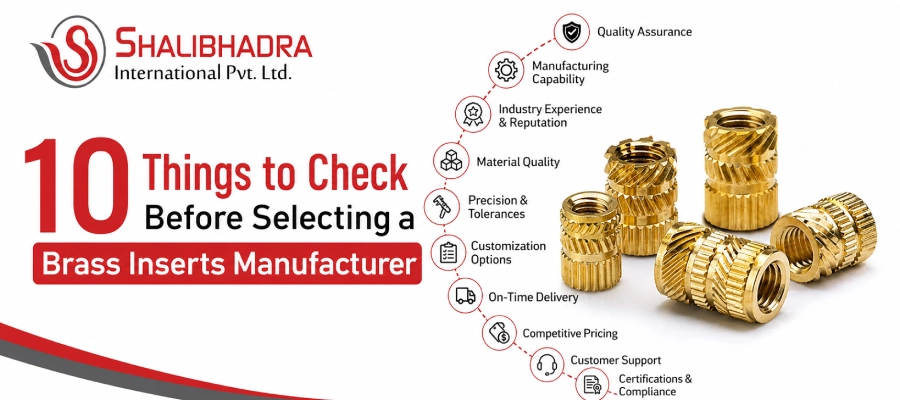
When selecting a supplier, look for experience, certifications, and customization options. As a leading brass inserts manufacturer, we prioritize quality and customer support. Check for ISO certifications, material traceability, and eco-friendly practices. If you’re unsure, start with samples to test fit-it’s a reassuring way to build confidence in your choice.
In summary, threaded brass inserts are more than just components-they’re enablers of stronger, more efficient manufacturing. From their wide uses in electronics and automotive to benefits like durability and cost savings, they offer a supportive solution for your projects. If you’re ready to integrate them into your processes, partner with a reliable brass inserts manufacturer. We’re here to help with expert advice and personalized service-let’s create something lasting together.