
Hey! Fixed a leaky tap, messed with your ride, or tinkered on heavy gear? Probably ran into tiny copper-ish pieces that join stuff. Seems simple – sure – but they come in clutch when hooking up mismatched bits. Think hoses, wires, gizmos… yeah, those. I’ve stopped counting how many times I fought leaks and shaky fittings in my garage. Learning about these copper bits and how a brass adaptor works changed everything. Here’s a quick look at what they’re for, why they help, also some hands-on tips so you can use them today. Let’s get going.
What Exactly Is a Brass Adapter?
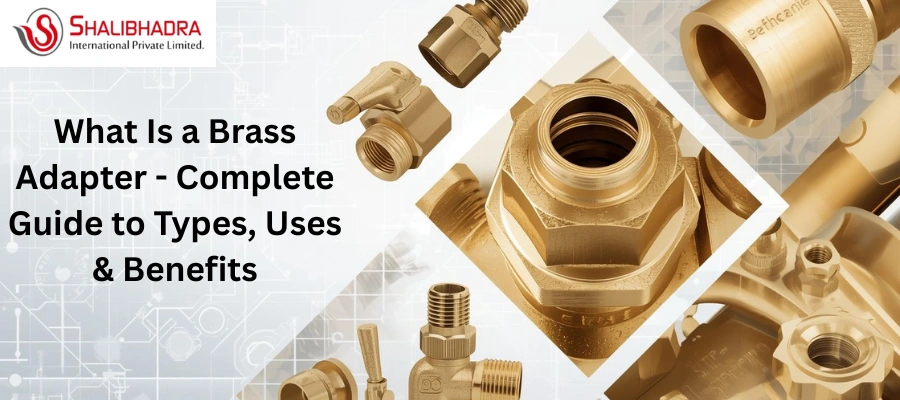
A little piece built from copper blended with zinc – what folks call brass – is what a brass adapter really is. Think of it as acting like a go-between for hoses, tubes, or pipes, letting mismatched parts link up smoothly. Got a threaded pipe but want to attach a soft rubber hose? That’s where this bit steps in. Or maybe your gear uses metric threads while others run on regular sizes – it bridges that difference. Works without fuss, tucked out of sight, keeping everything moving as it should.
Brass resists rust pretty well, holds up under stress, but remains workable for precise shaping. Unlike weaker metals that degrade with water or heat exposure, these parts keep their strength in salty environments or extreme warmth. Sizes go from tiny 1/8-inch all the way up to large 2-inch options, offered in male-female setups, straight connections, or angled designs.
In my experience, a brass adaptor is solid when you want reliability. I’ve used them in home plumbing jobs – spots where steel bits corrode quickly -, yet these keep going. Rather than failing, they stay strong through anything.
So, what’s going on with the brass adaptor? Take a peek at how these bits actually work.
Brass fittings lock things together without leaks when joining parts. Certain ones dig into the surface with ridges; meanwhile, some rely on pressure from tightening. After installation, tension gets shared through the connection – no thin or shaky areas show up. Screw in the threaded kind, whereas slip-on sleeves slide into place for squeeze-type setups.
The key point? Fit matters – adaptors match thread styles like NPT or BSP. Since brass conducts electricity nicely, you might use it for grounding electrical setups; yet, usually, it’s really just about how pieces hook together mechanically.
Take a look – when tiny details fit, everything runs smoother. Choose the correct part, annoyance drops away while connections snap into place.
Types of: Which One for Your Needs?
Brass adaptors aren’t all alike – they shift based on design or job. After trying them out, this is what I’ve found:
Fittings with threads inside or outside slide easily into pipes. Bushings? They’re handy if you need smaller openings. Nipples do the opposite – they extend the connection slightly. For plumbing jobs, these usually stay leak-free once wrapped with tape and twisted snugly.
Compression fittings clamp down on a pipe using pressure from a ring when tightened. They fit nicely with bendy tubing like copper or PEX. No melting metal needed – makes life easier, doesn’t it? Only twist until snug – go past that, and you risk damage.
Slip-on fittings snap in with a rubber seal. Quick to set up on your own – zero tools required. Yank them off any time you feel like it. Ideal for temporary setups or beginners testing the waters.
Barb fittings have a rough end designed to grip hose bands. These connect pipes to threaded ports – common in vehicle fuel lines or outdoor irrigation gear.
Flare fittings work with pipes that have a widened tip – often seen in brake systems. Since they grip well under pressure, these parts show up a lot in fluid-powered gear.
Bendy joints – angled either 45° or 90° – help redirect flow when space is tight. Since they’re compact, these fit more easily in cramped spots.
Each kind you’d imagine – tall, curved, angled. Mixed various styles to build fits that work perfectly, yet checking every piece survives pressure and high temps. Why use a brass adaptor? Here’s the deal – these bits do their job right. What sets them apart isn’t magic, just solid build that lasts longer than most Brass bits aren’t only handy – they last forever. Which is why I never leave without ’em nearby. Brass deals with dampness, corrosive stuff, or salty air way better than iron – that’s why it doesn’t rust as fast. Because it holds up stronger in rough conditions, you’ll see less dripping after years go by.
Durability with resilience – holds firm even under extreme force, keeps running nonstop in icy chill or scorching temps without warping. Handles various materials – metal, plastic, even rubber. Works well when mixing components.
Easy assembly: Many arrive tool-free or include only a small wrench – zero welding required ever.
Saves cash: Made strong, meaning fewer replacements down the line – slashes extra purchases.
Safe: sealed systems cut risks in key spots like gas lines.
Failing without ’em leads to shaky repairs or random patches. My RV’s pipes ran smoothly because I used brass fittings – tough solution, fewer headaches.
Step-by-Step Guide to Using Brass Adaptor
Slipping in brass adaptors is pretty straightforward – just focus. Here’s what I do that never fails
1. Gather what you need – an adapter, tape for threads, and a wrench. Use goop just if it’s needed.
2. Sort it out – clean the nozzles, then secure joints with tape to stop leaks.
3. Get into it: when you see threads, spin them by hand before grabbing a wrench. If it’s got squeeze rings, slide it in place – after that, tighten it up. For slip-fit kinds, forget tools entirely; just push it till it seats.
4. Look for drips: Fire up the supply or try pushing pressure through. Adjust bits when stuff feels wrong.
5. Found something worth sharing? Match up alike fittings – say, NPT to NPT. Use grease when it feels tight. If the pressure’s high, double-check the details anyway.
Keep your hands protected – wear gloves. Guard your eyes if stuff gets messy. Unsure about next steps? Ask a person with experience.
Real-World Uses and Applications
Brass adaptor pops up wherever I go – every worksite has one hiding where you least expect it.
Plumbing: Connecting pipes beneath sinks, within shower units, or by heaters – using fittings that seal tightly; work happens where water flows start or split apart. HVAC links pipes or coolant lines – using fittings or tight channels, based on design. Auto components such as gas lines, brake systems, also cooling pipes. Factories run on hydraulics – while some go for pneumatics instead. Try handling things on your own around the house – such as giving plants a drink, cleaning out aquariums, or putting together little projects from scratch. Here’s where stuff starts breaking down – like offshore or in plants that deal with harsh substances.
Pros, Cons, and Alternatives
Tough frame, runs fine everywhere, no rusting. Yet weighs more than plastic – price jumps if the size increases.
What else could work instead? Use plastic if cash is tight and pressure isn’t high – just know it breaks quickly. Go for stainless steel where rust pops up often, but expect higher costs. When corrosion doesn’t matter, choose brass – it outperforms the others.
Let me break it down – real talk on brass adaptor from someone who’s been using them nonstop. Basic gear, serious results, turning messes into clean setups. Got a leak? Building something new? Pop one in place, watch stuff click together smoothly.
Got a question or a story about your last project? Share it below. Right – don’t leave stuff out; pick sellers who really follow through.